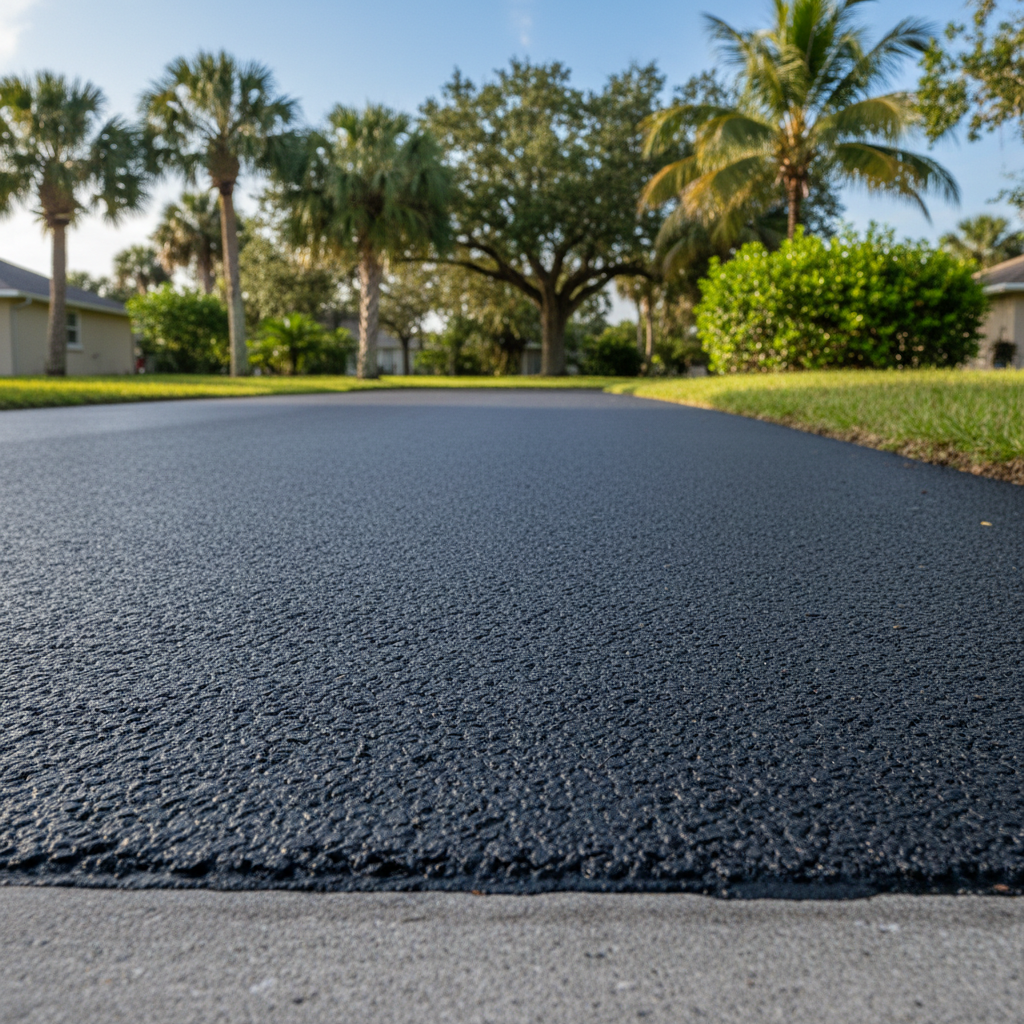
Alright, let's talk asphalt driveways. If you're a homeowner here in New Port Richey, you've probably looked at your driveway and wondered what's next. Maybe it's got more cracks than a Florida summer sidewalk, or maybe you're just building new and need to lay down some fresh pavement. Whatever it is, there's a lot to consider, and I'm here to tell you what you can realistically tackle yourself and when it's just smarter to bring in the pros.
Before You Start: Planning Your Asphalt Project
Planning is key, just like with any big home improvement. You don't want to rush into this. First off, what's the goal? Are we talking a full tear-out and replacement, or is it more of an overlay situation where we're putting new asphalt right on top of the old, stable stuff?
If you're building a new driveway from scratch, you've got to think about drainage. We get some serious rain here in Florida, and standing water is the enemy of any pavement. You'll need proper grading to make sure water runs off your driveway and away from your house, not pooling up. This is where a good contractor, like us at Pioneer Asphalt Co, will really shine. We know the local soil conditions – that sandy, sometimes soft stuff – and how to prepare a solid base that won't just sink or wash away.
For DIYers, your 'before' work might involve clearing the area, marking out the driveway, and maybe even some basic excavation if you're just doing a small path. But for anything beyond that, especially base prep and grading, you're looking at heavy equipment and specialized knowledge. That's usually a job for someone who does this every day.
During the Project: What's Happening and Who's Doing It?
Okay, so you've got your plan. Now, what's actually going down? If it's a full replacement, we're talking about:
- Tear-out: Ripping up the old stuff. This is noisy, messy, and requires heavy machinery. Not a DIY job unless you own a Bobcat and enjoy hauling tons of debris.
- Base Preparation: This is arguably the most critical step. It involves compacting the subgrade (the natural soil) and then laying down and compacting a layer of aggregate (crushed rock). This base is what supports your asphalt and prevents it from cracking prematurely. If you skimp here, you'll regret it. Getting the right compaction and thickness is tough without the right gear.
- Asphalt Paving: This is where the hot asphalt mix comes in. It's spread evenly and then compacted with heavy rollers. The temperature of the asphalt is crucial for proper compaction and a durable finish. This is 100% a professional job. You can't just buy hot asphalt at Home Depot and roll it out with your lawn roller.
Now, what can you do yourself during the project? Honestly, not much of the actual paving. But you can be involved in the preparation. If you're doing a small extension or a pathway, you might be able to dig out the area, lay down and compact a gravel base, and then have a small paving crew come in for just that section. But for a full driveway, leave the heavy lifting and the hot stuff to the pros. It's a precise process that requires specialized equipment and experienced hands.
After the Asphalt is Laid: Care and Maintenance
So, the new asphalt is down, it looks great, and you're ready to show it off. But the work isn't over. Proper care after installation is what makes your investment last.
- Curing Time: You can't drive on it right away. Fresh asphalt needs time to cure and harden. Your contractor will tell you exactly how long, but generally, it's a few days for light traffic and longer for heavy vehicles. Don't be that neighbor who drives their RV on it the next day.
- Sealcoating: This is a big one for homeowners. Sealcoating protects your asphalt from the elements – sun, rain, oil spills, and even that harsh New Port Richey sun. It's like sunscreen for your driveway. You can absolutely do this yourself for smaller driveways. You'll need to clean the surface thoroughly, fill any small cracks, and then apply the sealer with a squeegee or sprayer. It's a bit of work, but it's manageable. We usually recommend sealcoating every 2-3 years, depending on traffic and wear.
- Crack Filling: Even with sealcoating, cracks will eventually appear. This is normal. Small cracks can be filled with asphalt crack filler, which you can buy at most hardware stores. Catching these early prevents water from getting underneath and causing bigger problems, especially with our high water table here.
- Cleaning: Keep your driveway clean. Sweep off debris, wash away oil and gas spills quickly. These chemicals can break down the asphalt binder over time.
When it comes to maintenance, you've got a lot of control. Crack filling and sealcoating are definitely within the average homeowner's ability. Just make sure you follow the product instructions and do it on a day with good weather – no rain in the forecast, and not too hot or too cold. If you've got extensive cracking, potholes, or drainage issues, that's when you call in the big guns. Major repairs or resurfacing are usually beyond a DIY project.
Look, a good asphalt driveway is an investment, and with a little care, it'll last you a long time. Knowing what you're getting into, and when to call in the experts, will save you headaches and money in the long run. If you're ever unsure, just give us a shout at Pioneer Asphalt Co. We're always happy to talk through your options.