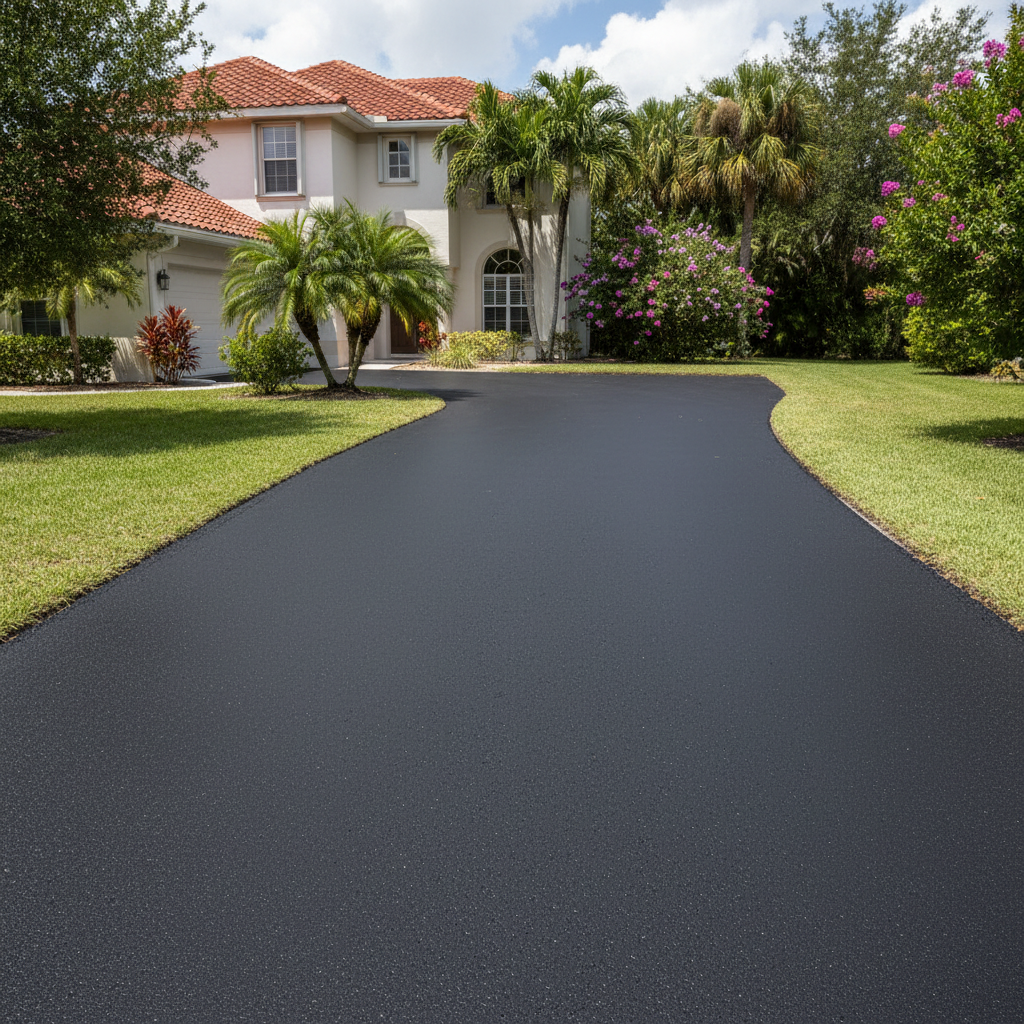
Alright, let's talk about your driveway for a minute. You probably shelled out a good chunk of change for it, right? Whether it’s brand new or you just had some repairs done, you want that investment to last. Especially here in New Port Richey, with our intense sun, heavy rains, and the usual wear and tear from cars, a driveway needs a bit more than just being ignored.
I’ve been working with asphalt for years, and believe me, a little proactive care makes a huge difference. It’s not rocket science, but you do have to pay attention. You wouldn’t buy a new car and then just skip all the oil changes, would you? It’s the same basic idea for your driveway.
Making Your Florida Driveway Last Longer
The biggest enemy of asphalt in Florida isn't just heavy vehicles; it’s the sun and the rain. UV rays really break down the binder in the asphalt, making it brittle. Then, when rain gets into those tiny cracks, it expands and contracts with temperature changes (even if our "cold" isn't exactly frigid), and before you know it, you've got potholes.
- Sealcoating is Crucial: I know I've mentioned this in other posts, but I'll say it again: sealcoating is your first line of defense. Think of it like sunscreen for your driveway. It protects against UV rays, keeps water from seeping in, and even helps with spills. For residential driveways around here, I usually tell folks to get a good quality sealcoat every 2-3 years. If your street is super busy or your driveway gets a ton of sun, you might even need it a little more often.
- Drainage Matters, Big Time: You absolutely need to make sure water isn't just sitting on your driveway. If you notice low spots where puddles hang around after a rain, that's a problem brewing. Water softens the base layer over time, which eventually leads to cracking and failure. Sometimes, it’s a pretty simple fix, like adding a small drain; other times, you might need some regrading.
- Watch Those Edges: The edges of your driveway are usually the weakest spots. If you're constantly driving off the side or parking heavy vehicles right on the perimeter, you're going to see crumbling. Try to keep your vehicles centered.
- Limit Heavy Loads: Look, I get it, you've got to move that boat or RV sometimes. But try not to let them sit for long periods in the exact same spot, especially if it’s a newer driveway. That kind of weight can cause depressions.
Regular Maintenance: What You Can Do
This isn't about calling us at Pioneer Asphalt Co every single month. This is about the stuff you, the homeowner, can handle yourself.
- Keep it Clean: Sweep off dirt, leaves, and other debris regularly. Organic matter can trap moisture against the asphalt, and dirt can get ground into the surface, causing wear.
- Clean Spills Immediately: Oil, gas, and other car fluids are terrible for asphalt. They literally dissolve the binder, leaving soft, crumbling spots. If you see a spill, clean it up right away with something absorbent like cat litter or sand. Then, scrub it with a stiff brush and a mild detergent. Rinse it really well. Don't let it just sit there.
- Trim Overhanging Branches: If you’ve got trees shading your driveway, that's actually great for keeping it cool. But falling branches or heavy leaf litter can cause issues. Keep those branches trimmed back to prevent any damage and to keep the surface clear.
- Weed Control: Weeds and grass can grow right through small cracks. As they grow, they expand those cracks, making them worse. Pull them out or use a weed killer specifically designed for paved surfaces. Just be careful with really harsh chemicals that might actually damage the asphalt itself.
Warning Signs: When to Pay Attention
Your driveway will definitely "talk" to you if you just listen. These are the red flags that tell you something’s going on:
- Small Cracks: These are often the very first sign of trouble. They might look like tiny spiderwebs or just thin lines. Don't ignore them, because if you leave them alone, they'll turn into much bigger problems.
- Potholes: This one's pretty obvious, right? A pothole means the asphalt has failed in that spot, and water is getting into the base. They're only going to get bigger, especially with our afternoon downpours.
- Fading Color: If your black asphalt is starting to look gray, that means the surface is oxidizing and losing its protective oils. This is a clear sign it's time for sealcoating.
- Standing Water: Like I said before, puddles mean either poor drainage or depressions in the pavement. If you’re seeing standing water after every rain, that's a problem.
- Raveling: This happens when the aggregate (the small stones) starts to come loose from the asphalt binder, making the surface look rough and uneven. It means the binder isn't doing its job anymore.
- Alligator Cracking: This looks exactly like a series of interconnected cracks, much like an alligator's skin. This is a serious sign of base failure and usually means you're beyond simple patching.
When to Call a Professional
You can totally handle sweeping and cleaning, maybe even a small, isolated crack with a good quality crack filler. But for anything more significant, you really should call in the pros. Here's when to pick up the phone:
- Widespread Cracking: If you've got cracks all over the place, or they're wide enough to stick a finger in, you need a professional assessment.
- Multiple Potholes: One small pothole might be a DIY job for some, but if you've got several, or they're large, you'll want a proper repair to prevent even more damage.
- Alligator Cracking: As I mentioned, this usually points to a deeper issue. We can assess the base and recommend the right repair, whether that's a patch, an overlay, or something more extensive.
- Drainage Issues: If water is consistently pooling, you need someone to look at the grading and suggest a solution. It might be a simple fix, but getting it wrong can lead to much bigger problems down the road.
- Major Depressions or Unevenness: If parts of your driveway are sinking or becoming significantly uneven, that's a structural problem that definitely needs expert attention.
- When in Doubt: Honestly, if you're just not sure, give us a call. It's always better to get a professional opinion early rather than letting a small problem balloon into a costly repair. We're right here in New Port Richey, we know the local conditions, and we're happy to take a look. Sometimes it's a quick fix, sometimes it's a bigger job, but we'll always give you an honest assessment.
Your driveway is a huge part of your home's curb appeal and how functional it is. Take good care of it, and it'll take care of you for years to come.