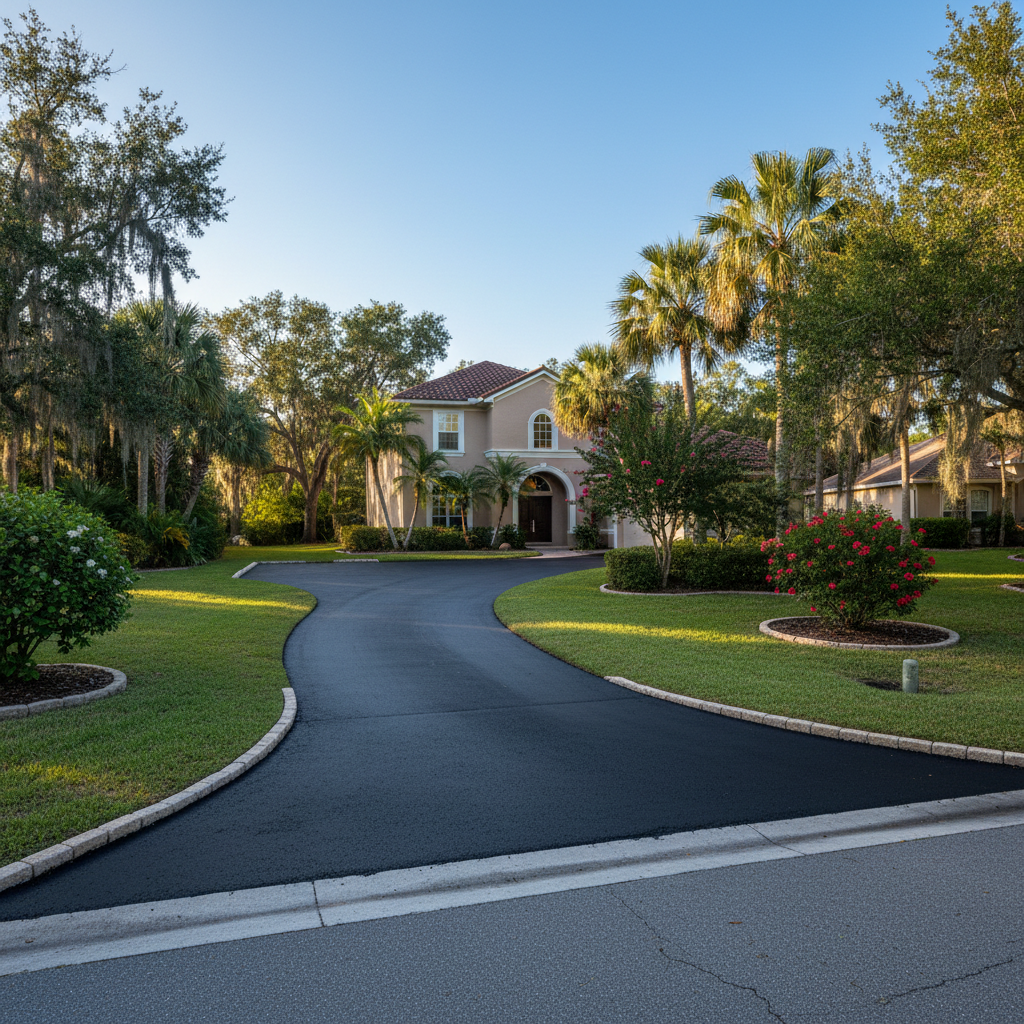
You're ready to get that driveway fixed or maybe even put in a whole new one. Great! A good asphalt job really spruces up a place and adds value. But here in New Port Richey, I've seen plenty of homeowners make some pretty common mistakes that end up costing them more money, more headaches, and a whole lot of regret down the road. I want to help you avoid those pitfalls, so let's get into it.
Mistake #1: Skipping the Site Prep Talk
This is a big one. Some folks just assume the contractor knows exactly what to do, and they don't ask enough questions about what happens before the asphalt even shows up. The foundation, or subgrade, is everything. If that's not right, your new asphalt won't last. We're talking about proper drainage, compacting the soil, and making sure there aren't any soft spots. Here in New Port Richey, especially with our sandy soil and the occasional heavy downpour, you absolutely need to make sure the base is solid and graded correctly so water sheds off, not pools up. If a contractor isn't talking about this in detail, that's a red flag. You need to know what they're doing to prepare the ground, not just lay down the black stuff.
Mistake #2: Going for the Lowest Bid, Every Time
Look, I get it. Money doesn't grow on trees, especially not here in Florida. Everyone wants a good deal. But when it comes to asphalt, the cheapest bid is rarely the best deal in the long run. I've seen jobs where a contractor comes in super low, cuts corners on material thickness, uses subpar asphalt mix, or rushes the job. You might save a few hundred bucks upfront, but then you're looking at cracks, potholes, and premature deterioration in a couple of years. Then you're paying again to fix or redo it. Ask for detailed quotes. Compare apples to apples. If one quote is significantly lower than all the others, there's usually a reason, and it's not because they're just super nice.
Mistake #3: Not Understanding the Asphalt Mix
This might sound a bit technical, but it's important. Not all asphalt is created equal. There are different mixes designed for different purposes and traffic loads. For a residential driveway, you typically want a mix that's durable and flexible enough to handle daily use and our Florida heat without cracking too easily. Some contractors might use a mix that's really meant for a parking lot or a road, which can be too stiff for a residential application, or worse, a mix that's too weak. Ask your contractor what kind of asphalt mix they're using and why. A good contractor, like us at Pioneer Asphalt Co, will be happy to explain it and make sure you're getting the right product for your specific needs.
Mistake #4: Ignoring Proper Drainage
This ties back to site prep, but it's such a critical point it deserves its own mention. Water is the enemy of asphalt. If your driveway or parking area isn't designed to drain properly, water will sit on it, seep into cracks, and eventually undermine the base. This leads to potholes, alligator cracking, and a much shorter lifespan for your asphalt. Before any work starts, walk the area with your contractor. Point out any existing drainage issues. Make sure their plan includes proper grading and perhaps even some French drains if needed, especially if you live in an area prone to standing water after our summer downpours. Don't assume they'll just figure it out; be part of that conversation.
Mistake #5: Forgetting About Maintenance
A new asphalt surface isn't a 'set it and forget it' kind of deal. It needs a little love to last. Many homeowners skip sealcoating or put it off too long. Sealcoating protects your asphalt from UV rays, water penetration, and oil spills. It keeps it looking good and extends its life significantly. You wouldn't buy a new car and never change the oil, right? Think of sealcoating as the oil change for your driveway. Typically, you want to wait about 6-12 months after a new installation for the asphalt to cure, then get it sealcoated every 2-3 years after that. It's a small investment that prevents much larger, more expensive repairs down the line.
So, there you have it. Don't let these common mistakes turn your asphalt project into a headache. Ask questions, do your homework, and make sure you're working with a reputable company that prioritizes quality and understands the unique challenges of building here in New Port Richey. You'll be glad you did.