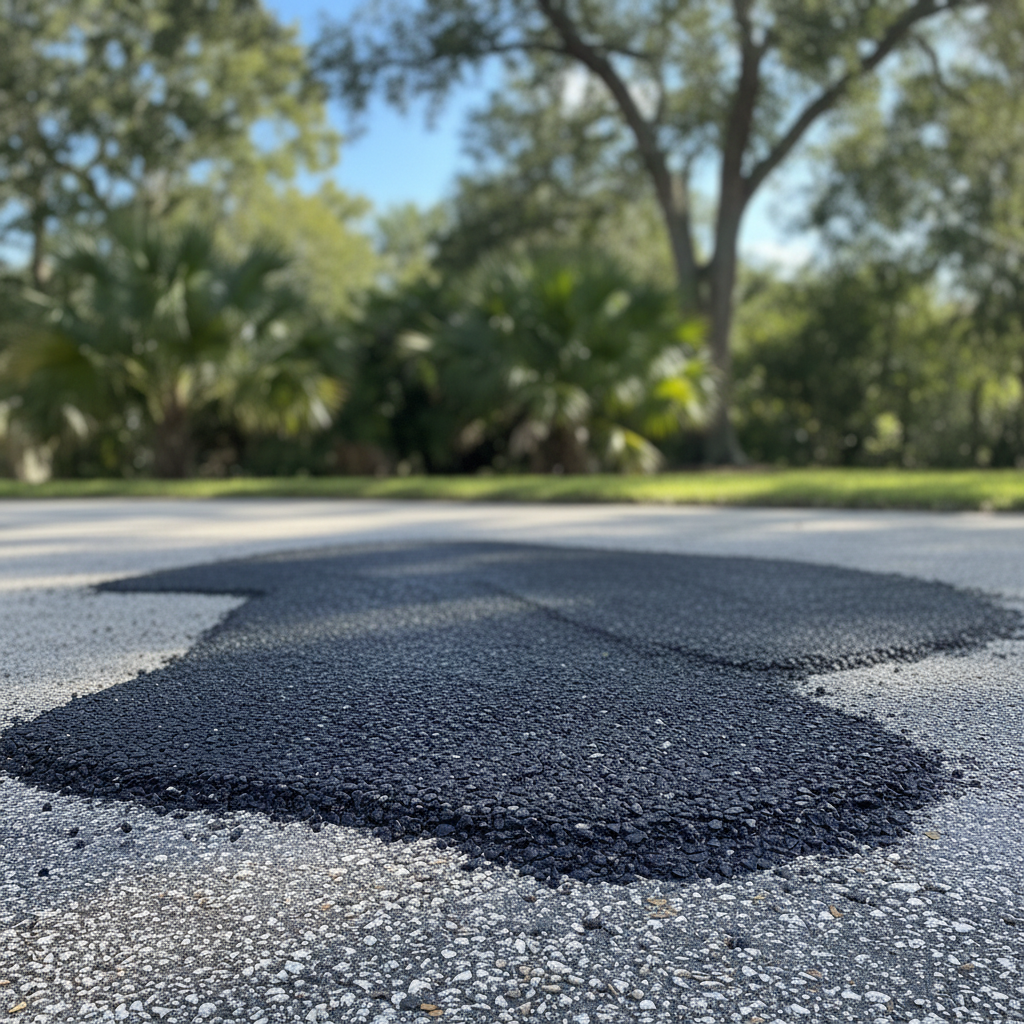
Alright, let's talk about those annoying cracks and potholes in your asphalt driveway. I see 'em all the time around New Port Richey, especially after a good rainy season or a few years of that Florida sun beating down. You're probably wondering, "Can I fix this myself, or do I need to call someone?" It's a fair question, and the answer isn't always black and white. So, let's break down what you can realistically tackle and when it's time to pick up the phone.
Before You Start: Check Out the Damage
First things first, take a good, hard look at what you're dealing with. Not all asphalt damage is created equal, you know? There are different types of cracks and holes, and each one tells you something about the underlying issue. Knowing this helps you figure out the best way to fix it.
- Small, isolated cracks: These are usually hairline cracks, maybe a quarter-inch wide or less. They're often just surface-level and happen from normal wear and tear, or maybe a little ground movement.
- Larger cracks: We're talking half an inch or wider, sometimes with some crumbling edges. These can let water get under your asphalt, which is bad news, especially with our sandy soil here in Pasco County.
- Potholes: These are depressions where the asphalt has completely broken away. They can be shallow or deep, small or large. Potholes usually mean the base layer underneath has failed in that spot.
- Alligator cracking: This looks like a series of interconnected cracks, kind of like an alligator's skin. This is a sign of serious base failure, and honestly, it's almost never a DIY fix.
If you're seeing small, isolated cracks or very shallow potholes (think less than 2 inches deep and smaller than a dinner plate), you might be able to handle it yourself. Anything bigger, deeper, or if you've got that alligator cracking, you're probably looking at a job for the pros. Don't waste your time and money on a temporary fix for a major problem, okay?
What You'll Need for DIY Patching
Okay, so you've got some minor stuff you think you can tackle. Here's what you'll typically need to get started:
- Cold patch asphalt: You can find this in bags or buckets at your local hardware store. It's designed for temporary repairs and small jobs.
- Shovel or trowel: For clearing debris and putting down the patch.
- Stiff broom or wire brush: To clean out the area.
- Compaction tool: This is important. You can use a hand tamper, a heavy piece of wood, or even just drive your car tire over it repeatedly. The goal is to pack that patch material down as much as possible.
- Safety gear: Gloves, safety glasses, sturdy shoes.
The DIY Patching Process (for small stuff)
This isn't rocket science, but doing it right makes a difference:
- Clean it out: Use your broom or wire brush to get rid of all loose debris, dirt, and standing water from the crack or pothole. You want a clean, dry surface for the patch to stick to.
- Square it up (optional but recommended for potholes): For potholes, sometimes it helps to use a chisel and hammer to square off the edges of the hole. This gives the patch a better, more stable perimeter. Make sure the edges are vertical.
- Fill 'er up: Shovel the cold patch asphalt into the hole or crack. Overfill it slightly, maybe an inch or so above the surrounding surface.
- Compact, compact, compact: This is the most crucial step. Use your tamper or drive your car over the patch repeatedly. You want to get that material as dense as possible. It'll shrink down as you compact it, so keep adding more cold patch and compacting until it's level with the surrounding asphalt.
- Let it cure: Cold patch asphalt cures over time, often with vehicle traffic. Try to avoid heavy turning or sudden stops on the fresh patch for a few days if you can.
When to Call a Pro (Like Pioneer Asphalt Co.)
Look, I'm all for homeowners saving a buck and doing what they can. But there are definitely times when DIY just won't cut it, and trying to fix it yourself will end up costing you more in the long run. Here's when you absolutely should call in a professional asphalt contractor:
- Large potholes or extensive cracking: If a pothole is deep, wide, or you've got a whole section of your driveway breaking apart, you need a hot asphalt patch. Cold patch isn't designed for that kind of structural repair.
- Alligator cracking: As I mentioned, this means your base is failing. A surface patch won't fix the underlying problem, and it'll just crack again quickly. You need a full-depth repair or even a section replacement.
- Drainage issues: If your driveway constantly has standing water after it rains, patching isn't your main problem. You've got a drainage issue that needs to be addressed, which might involve regrading or installing proper drainage.
- Multiple, recurring issues: If you're constantly patching the same spots or new cracks are popping up everywhere, it's a sign that your driveway's foundation is compromised or it's reached the end of its lifespan. You might need an overlay or even a full replacement.
- You don't have the time or tools: Let's be honest, not everyone wants to spend a Saturday shoveling and tamping asphalt. If you'd rather spend your weekend enjoying the Gulf or fishing in the Anclote River, that's perfectly fine.
For those bigger jobs, we've got the heavy equipment, the right materials (like hot asphalt, which is much more durable), and the experience to get it done right the first time. We can assess the root cause of the damage and recommend the best, most cost-effective solution that'll last. Don't hesitate to reach out to Pioneer Asphalt Co. if you're unsure. We're here to help keep your New Port Richey property looking good and safe.