What's the difference between patching and a full repave?
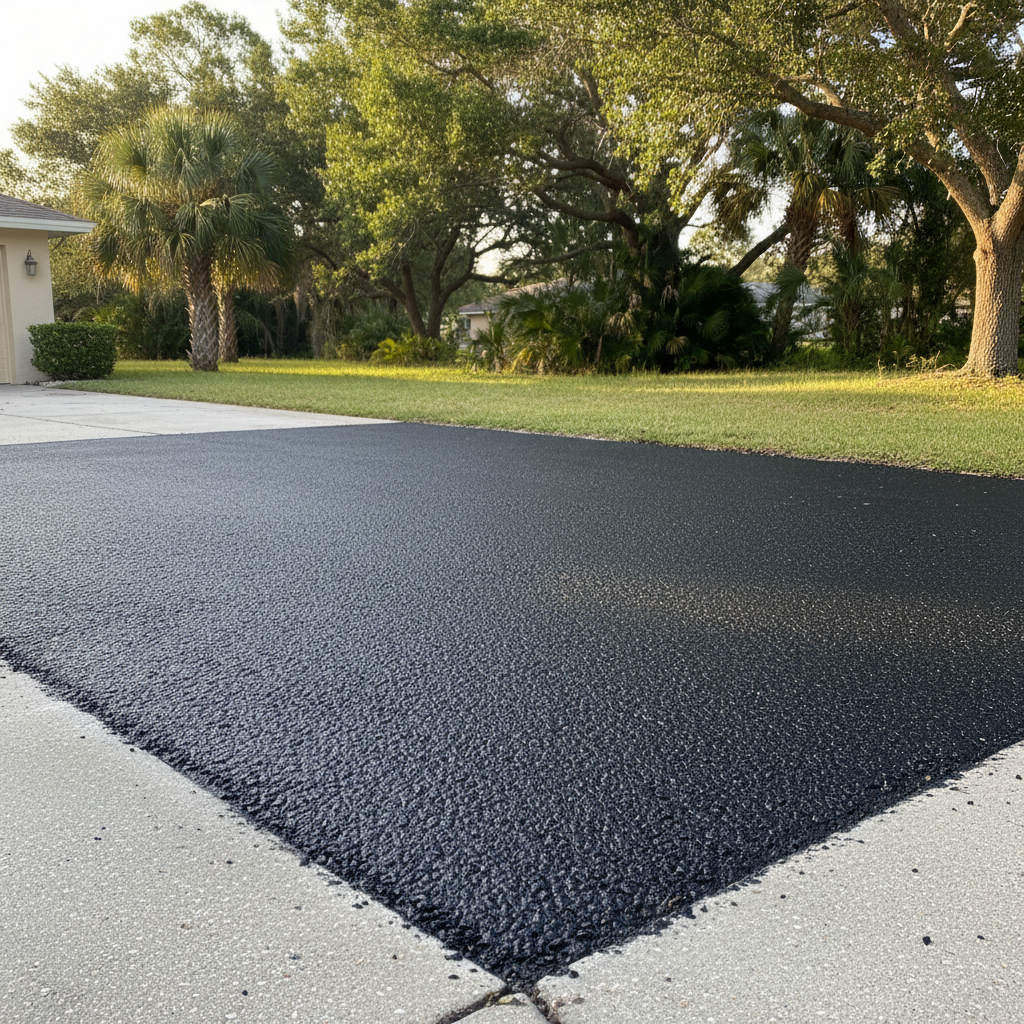
This is probably the most common question I get, and it's a good one because it directly impacts your wallet. Patching is exactly what it sounds like: we're fixing specific, damaged areas of your existing asphalt. Think of it like putting a band-aid on a wound. We cut out the bad section, clean it up, and lay down new asphalt. A full repave, on the other hand, means we're tearing up the entire old surface, preparing the base again, and laying down a brand-new layer of asphalt across the whole thing. Patching is a repair; repaving is a replacement.
When do you choose one over the other? If you've got a few isolated potholes or some alligator cracking in a small area, patching can definitely extend the life of your driveway. But if your entire surface is crumbling, has widespread deep cracks, or is showing significant sub-base issues – like sinking spots all over – then you're likely looking at a full repave. Patching those kinds of problems is just throwing good money after bad. It won't last, and you'll be calling me again in a year.
When is the best time of year to get asphalt patching done in New Port Richey?
Honestly, you can patch asphalt pretty much any time of year here in New Port Richey, but some times are better than others. We prefer to work when it's not pouring rain, obviously, and when the temperatures are consistently above 50 degrees Fahrenheit. The asphalt mix needs to be hot when it's laid down, and it cures better in warmer weather. That means our cooler, drier months – say, from late fall through early spring – are ideal. The summer heat and daily afternoon downpours can make things a bit trickier, but it's not impossible. We just have to be more careful with timing and weather forecasts.
How long does an asphalt patch typically last?
That's a tough one to give a single answer to because it depends on a few things. First, how well was the original asphalt laid? If the base underneath is solid, and the patch is done right with good materials, it can last for several years – sometimes 5 to 10 years or even longer. But if the underlying problem isn't addressed, or if the surrounding asphalt is already failing, that patch might only last a year or two before new issues pop up around it. It also depends on traffic. A patch on a residential driveway that sees a couple of cars a day will hold up better than one in a commercial parking lot with heavy trucks driving over it constantly. We always aim for a durable, long-lasting repair, but it's not a permanent solution for an aging driveway.
Can I patch it myself, or should I hire a professional?
Look, you can buy cold patch asphalt at any hardware store. For a tiny, shallow pothole, you can certainly try to fill it yourself. You shovel it in, tamp it down, and it'll probably hold for a bit. But for anything more significant – deeper potholes, larger areas of cracking, or if you want it to look decent and last – you really need a professional. We use hot mix asphalt, which is a completely different animal than cold patch. It's applied at high temperatures, compacted with heavy rollers, and bonds much better to the existing surface. We also know how to properly cut out the damaged area, prepare the base, and ensure proper drainage. DIY cold patching is a temporary fix; professional hot patching is a repair designed to last. You wouldn't try to re-roof your house after watching a YouTube video, right? Same principle here.
What causes asphalt to crack and pothole in the first place?
A few things contribute to asphalt breaking down, especially here in Florida. Water is the biggest enemy. When water seeps into tiny cracks, freezes (not often here, but it can happen in winter), and then expands, it pushes the asphalt apart. Even without freezing, constant water intrusion weakens the sub-base, leading to sinking and cracking. Then there's the sun; our intense Florida sun beats down on asphalt, causing it to oxidize and become brittle over time. Heavy traffic, especially from large vehicles, also puts a lot of stress on the surface. And believe it or not, the soil here in New Port Richey, with its sandy composition, can sometimes shift and settle, which can contribute to base failures if not properly compacted during the initial installation. It's a combination of all these factors that leads to the wear and tear you see.
How do I know if my asphalt needs patching or if it's too far gone?
The best way to know for sure is to have us come out and take a look. But generally, if you're seeing isolated potholes, spiderweb cracks (also called alligator cracking) in small, contained areas, or minor edge deterioration, patching is likely a good option. If you've got widespread, deep cracks across most of your driveway, significant areas of crumbling or raveling (where the stones are coming loose), or large sections that are sinking or heaving, then patching might just be a temporary band-aid on a much bigger problem. We'll give you an honest assessment. Sometimes, a few well-placed patches can buy you several more years before a full replacement is necessary. Other times, I'll tell you straight up that patching won't cut it, and you'd be better off saving for a full repave. At Pioneer Asphalt Co, we're not going to sell you something you don't need.